


Storing diamond painting sealer sachets: the method that lasts
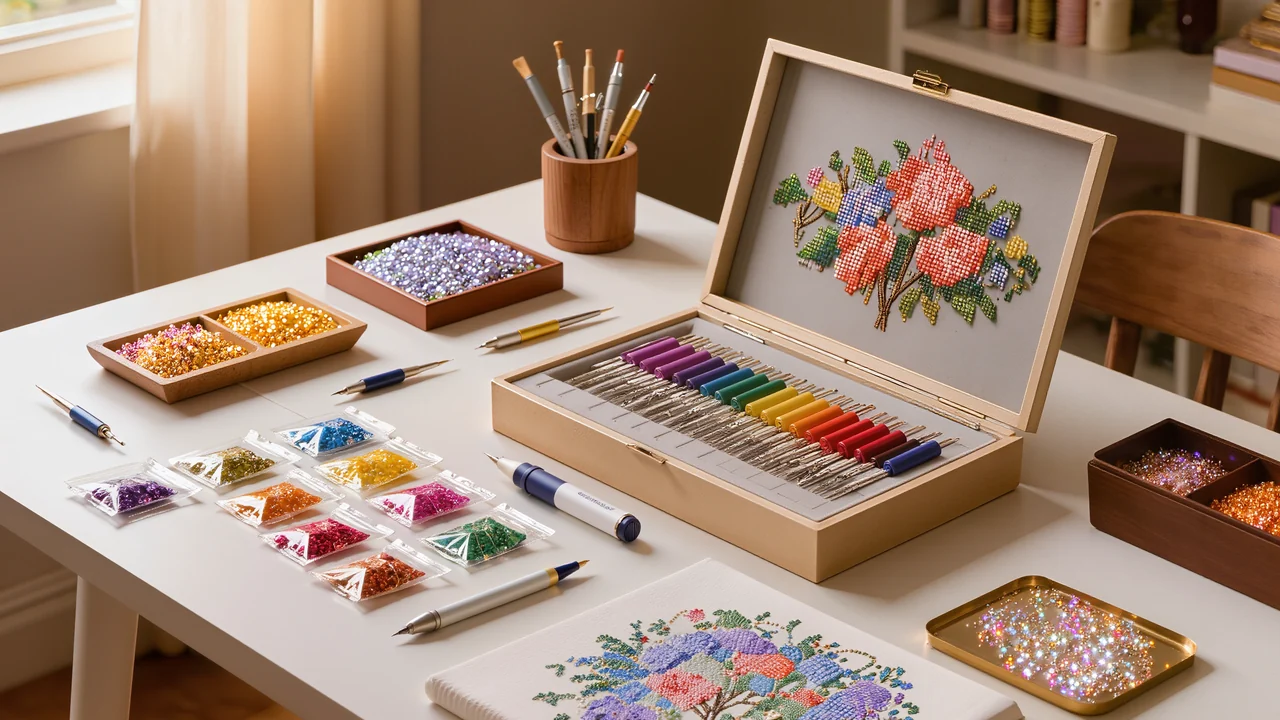
To store diamond painting packets for the long term, group each colour in a compartmented box, write the number on a clear label and keep the kit's legend close at hand. An opened packet goes straight into its compartment, sealed with a clip or decanted into a small zip bag.
This method suits beginners and enthusiasts alike, whether you are working on one canvas or several at once. You will know which container to choose based on the quantity of drills, how to arrange your tray and pots to avoid mixing, then how to identify leftovers after the final square. A few simple habits limit costly mistakes: double-check similar numbers, reseal every packet and separate kits into distinct pouches.
In short
- Sorting sachets by ascending number as soon as you open the kit prevents 90% of mix-ups while you work on the canvas.
- Labelling each container with the number AND a visual cue (a colour dot) saves a huge amount of time when the legend is small.
- A closed compartment box plus a working tray is all you need for a canvas in progress; no need to buy ten different storage systems.
- Keeping leftovers in a labelled zip bag lets you top up a canvas later or replace a missing colour in a pinch.
How do you store diamond painting sachets without mixing them up?
To store diamond painting sachets without mixing them up, work in order from the moment you open the kit and never move a sachet without checking its number.
Lay out all the sachets
Clear a clean, dry, well-lit table. Take out the canvas, the legend and all the diamond sachets, then lay them flat with the numbered side facing you. Keep the sachets closed during this first sort: opening one too early is all it takes to scatter the tiny pieces.
Gather your useful accessories too, such as a sorting tray, resealable pouches or compartment boxes. You will find several practical options among the essential diamond painting accessories.
Sort by ascending number
Line up the sachets according to the numbering on the legend: 1, 2, 3, then 10, 11, 12. Trust the printed number and the reference shown on the sheet, never the colour you see through the plastic. Two similar shades can belong to different references, especially with blues, browns and greys.
When several sachets share the same number, place them side by side. You will spot duplicates straight away and avoid leaving one at the bottom of the packaging.
Check each sachet
Check three things before storing it: is the number readable, does the quantity seem consistent with the legend, and are the diamonds the right shape, round or square? Also look out for a pierced sachet, unusual dust or a shade that does not match the other sachets of the same reference.
If in doubt, set the sachet aside and compare it with the legend or a printed area of the canvas before carrying on.
Store each reference
Transfer the diamonds into a compartment or pouch bearing the same number, or carefully put the original sachet back in its slot. Close each container before moving to the next. Only one number should occupy a compartment, even if two colours look identical.
Which container should you choose for your diamond painting sachets?
The right container mostly depends on your pace: an open canvas, several projects on the go, or leftovers to keep long term all call for different storage.
- For a canvas in progress with a reasonable number of colours, choose a fixed-compartment box where each section closes properly, as the numbers stay visible and the sachets do not shift during your session.
- Compartments deep enough prevent diamonds from catching in the lid; also check that the box sits flat when you carry it between the table and your storage space.
- A box with removable compartments suits larger canvases with more than 30 colours, since you can take out the sections you have used and bring the shades you need closer together.
- Choose compartments wide enough to hold the original sachet folded, or transfer the diamonds into small containers while keeping the kit label with them.
- Transparent, good-thickness zip bags are handy for archiving leftovers after a canvas or storing the colours from a finished kit without taking up much space.
- To organise several canvases at once, a ring binder or file with clear pockets lets you set aside a page or a series of pockets for each project, with the kit reference clearly visible.
- This solution makes it easy to store flat sachets and small label sheets, while a separate box can hold the tools you use daily; you will find these extras among the diamond painting accessories.
- Whichever format you choose, test the closure by gently turning the container upside down over a white sheet: no lid should open and no diamond should slip through a gap.
- Avoid boxes whose compartments share a poorly fitting lid, as pressing one closure can release several colours and make sorting harder.
- For travel, place the box in a soft pouch and carry it flat; this precaution reduces knocks that spill diamonds at the slightest movement.
Labelling your sachets: the method that saves hours
Prepare your labels
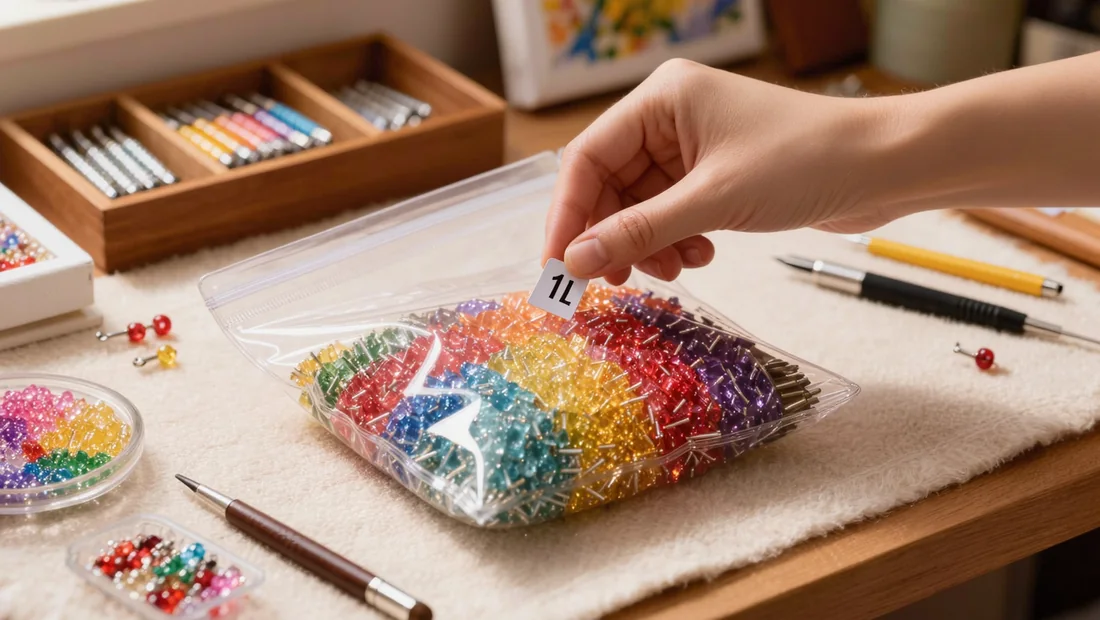
Cut sticky labels large enough to hold the number, the symbol and a small colour swatch. Plain white labels, a fine-tip permanent marker and a few pieces of double-sided tape are all you need. You can also keep this kit together in your diamond painting accessory kit.
Work on a clear table with only one kit open in front of you. Keep the canvas legend within reach so you can copy each detail without guessing.
Write the number
Write the colour number in permanent marker directly on the sachet label or on a separate sticker. Add the legend symbol when it is small or hard to tell apart. Avoid pencil: it rubs off and becomes hard to read on a sachet that is handled often.
Let the ink dry for a few seconds before stacking the sachets. Short, neat writing is quicker to read than a long, detailed note.
Add a real colour swatch
Take one diamond from the sachet and fix it to the label with a tiny piece of double-sided tape. That way you can spot the shade at a glance, especially when two nearby numbers are similar colours.
Place the swatch on the edge of the label so the number stays fully visible. For very dark diamonds, add the symbol too: colour alone can be misleading under warm light.
Follow the legend order
Arrange the sachets in the same order as the references printed on the canvas. This cuts down on searching and lets you find a colour in seconds, even with a small-print legend.
When several sachets share the same number, group them in one compartment or pouch and keep one clearly visible label for the whole set.
Redo the custom legend
For a custom canvas, copy the numbers and symbols onto a separate sheet. References can vary from one manufacturer to another, even for a similar shade.
Then photograph that legend with your phone. You can check it without unfolding the canvas, especially when the canvas is rolled up or mounted on an easel.
Keeping your workspace organised while you work on the canvas
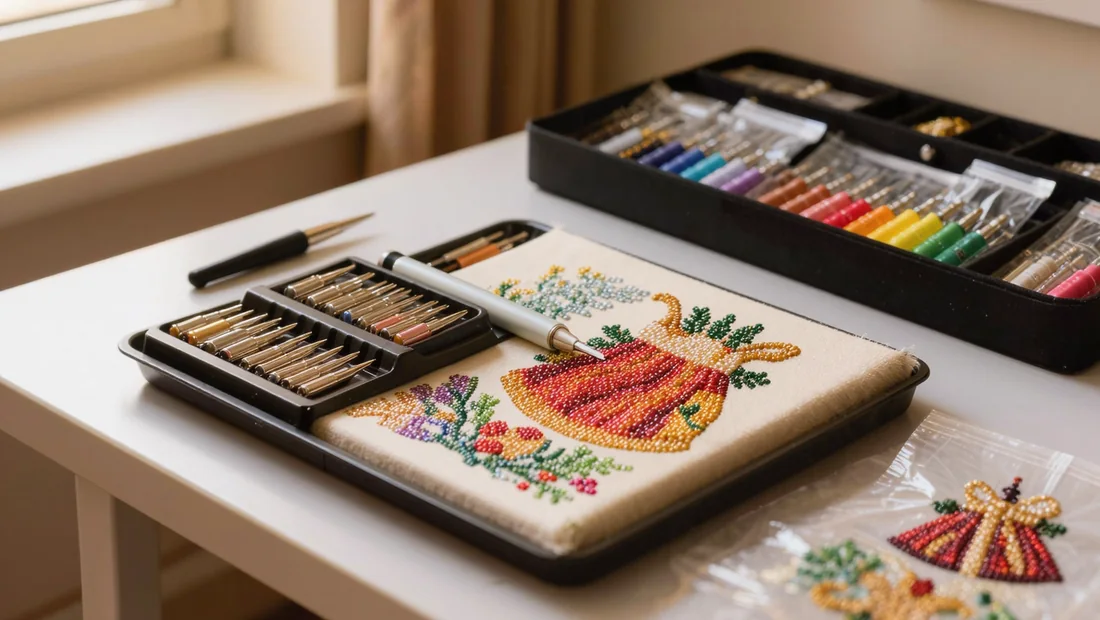
Keep just one working tray on the table, filled only with the diamonds for the number you are currently using. Pour out a small amount, just enough to cover a few areas, then reseal the bag straight away. The other bags stay closed and stored in their box, binder or labelled container. This visual limit stops you mixing up two similar shades when a break interrupts your session.
To pour cleanly, use a small grooved tray or a ridged dish. Tilt the container gently so the diamonds line up, then pick them up with the stylus without shaking the table. The grooves make it easier to position the pieces and reduce spills. A diamond painting sealer can also help you work more steadily, especially during long sessions.
Place a small pot next to your mat, reserved for dropped diamonds. Collect the pieces that roll away, those that jump out of the tray, or those whose number you are unsure about. Do not tip them straight back into the bag: at the end of the session, check the symbol or number, then return each piece to its place. A pot with a lid limits losses when you move the tray.
What to Do with Leftover Diamonds After a Canvas?
When you finish a canvas, a few well-organised bags are far better than one big bag of leftovers you can never use.
- Group each leftover by number in a clean zip-lock bag, and keep the drill shape noted too, round or square.
- Write the number clearly on a label stuck to the bag, then double-check it against the symbol on the legend before you put it away.
- Stick to one simple rule: one bag for one number, even if two shades look identical to the naked eye.
- Add a rough quantity note, such as "a few dozen", "a quarter bag" or "almost full", so you can quickly tell whether that leftover can help with another canvas.
- Small amounts are still useful for replacing a dropped drill, filling in a sparse patch or making a mini canvas, so don't bin them after sorting.
- Store the bags flat in a diamond painting sealer compartment box or a dedicated pouch, with the label visible and the numbers in order.
- Pick a dry, stable spot away from direct light, as damp can affect the adhesive on the bags and heat may warp them.
- For long-term storage, tuck the leftovers into a closed diamond painting storage accessory, then write the date and the name of the original canvas on a card kept alongside.
- Once a year, check any bags whose labels are peeling and replace them straight away, before a number becomes impossible to identify.
Storing multiple diamond painting canvases in progress without mixing up kits
As soon as you have two canvases on the go, give each one its own separate container. A compartment box, a zip pouch or a shallow tray will do, as long as you never mix the drill bags from different projects in the same one. Write the name of the canvas and its start date on a label, for example: "Seascape, started 12 April". For a custom piece, add a small printed image or the order reference so you can identify the project at a glance. You'll find suitable pouches and accessories in our selection of diamond painting accessories.
Keep the still-sealed bags, the trays you've already used, the spare bags and the symbol key in that same container. The legend sheet should stay with the canvas: if it's put in a separate drawer, it often ends up matched to the wrong project. Slip it into a clear pouch or clip it to the lid. A small label on each bag also helps when two shades look alike, especially if you switch between several canvases.
When you pause a canvas, remove any dust and fold the protective film back over all the exposed sticky areas. If the original sheet no longer sticks, use a piece of clean protective film, without putting tape directly on the glue. Then roll the canvas gently, sticky side protected and facing inwards, without folding it. Stand it upright in a wide tube or a dedicated tray, along with its container and legend. Avoid wedging it under heavy objects: creases can make it harder to place the diamonds.
Every two or three months, do a quick check of your canvases in progress. Take out each container, make sure the bags, legend and canvas all match, then pick one project to prioritise. If a canvas no longer appeals, gather its parts neatly, note the date you put it away and protect it for a later restart or permanent storage. This routine frees up space and stops a forgotten project turning into a jumble of bags.
Storage mistakes that cost you diamonds
To avoid losing diamonds, start by fixing the habits that undermine your storage from the moment you open the kit.
- Mixing two numbers in the same compartment makes sorting almost impossible to fix cleanly. Even if the shades look identical, their references can correspond to different symbols on the canvas. Keep one compartment per number and place bags with the same reference together, without emptying them until you have checked the label.
- Leaving a bag open exposes diamonds to dust, pet hair and small knocks that send them to the floor. After each session, carefully reseal the bag or transfer its contents into a bottle with a cap. A small funnel also prevents spills around the container.
- Sorting by colour instead of following the printed number makes work harder as soon as two shades look similar. The canvas legend refers to a specific reference, not a visual impression. So keep the numbers in order and use colour only as a secondary guide.
- Stacking boxes without closing them turns a stable shelf into a shower of diamonds at the first move. Close each box before putting it down, then check the lids hold by gently turning it upside down over the table. diamond painting storage accessories with sealed compartments reduce this risk.
- Storing bags near a radiator, a very sunny window or a device that heats up can warp the plastic and weaken the seals. Choose a dry drawer at a steady temperature, away from direct light. If a bag is already wrinkled, place it in a new closed container before moving the diamonds.
Our picks
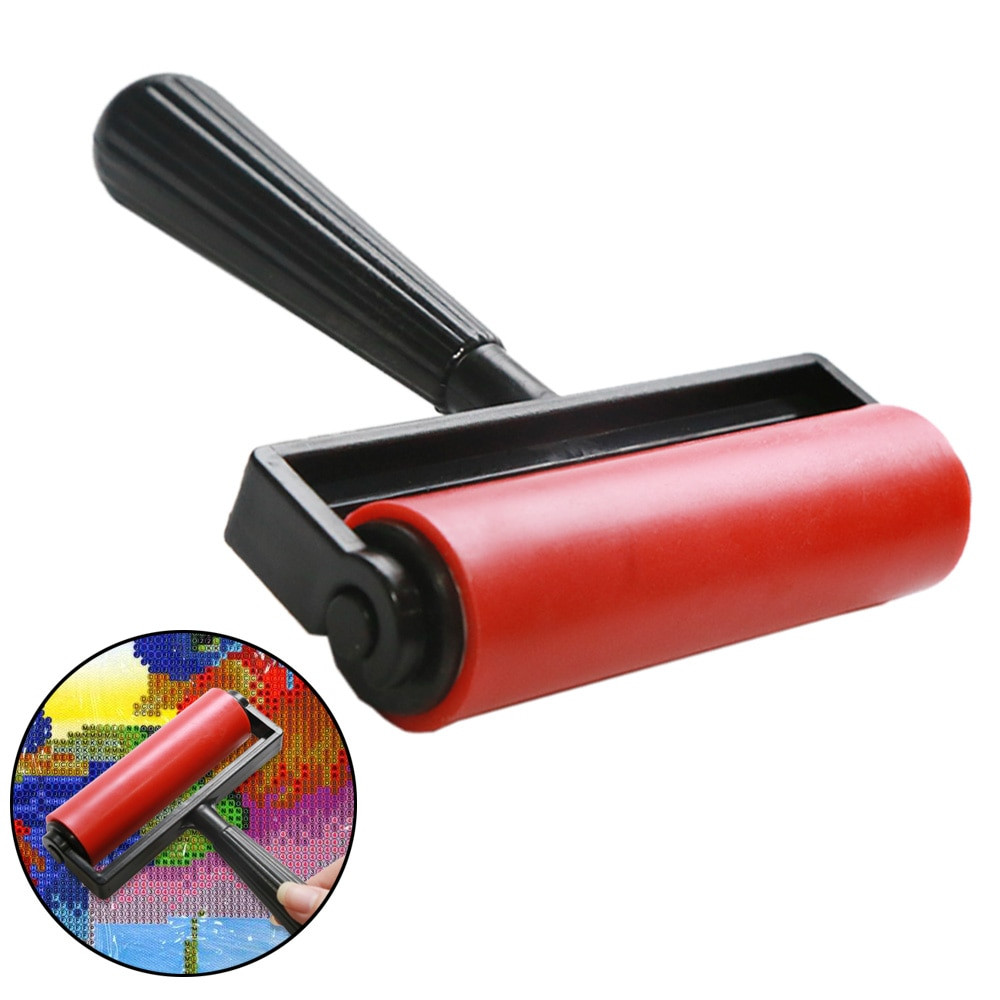
The most useful habit is to sort your pouches as soon as you open them, in ascending number order, then write that number on each compartment with a coloured sticker. A closed box and a small tray next to your canvas are all you need day to day. Slip any leftovers into a labelled resealable bag. To pick up just the essentials, take a look at our must-have diamond painting accessories.
A tidy workspace, a canvas that moves forward
Find compartment boxes, trays and zip bags that really hold up, and stock up on essential accessories so you never waste another minute sorting.
View Diamond Painting Accessories & ToolsFrequently asked questions
Should you keep the original bags or transfer the diamonds?
Both methods work, as long as you keep the original bags for reference. Only transfer the amount you need into a labelled working tray with the number and symbol. This saves time while you're placing drills and reduces the risk of mixing up similar shades or codes, especially when several colours look alike.
How many compartments should you allow for a standard canvas?
Allow as many compartments as there are colours listed in the legend, then add a few spare ones. These will come in handy for mixes in progress, diamonds picked back off the canvas and drills that need re-sorting. To work out the count easily, note the number of codes in the legend before you buy your box.
How should you store the bags when you have several canvases on the go?
Give each canvas its own container, with its name and start date written on a label. Keep the legend in the same container as the bags. Keep each kit separate until it's finished, because the same code can vary slightly in shade depending on the manufacturer or the canvas.
Can you store diamonds in food containers?
Yes, a food container works if it seals tightly and its compartments stop the codes from mixing. Choose sections small enough to limit movement during transport. Store it somewhere dry, away from steam, splashes and the damp of the fridge or kitchen.
What should you do with diamonds that fall on the floor?
Pick them up with a piece of sticky tape or a vacuum cleaner with a fine stocking stretched over the nozzle and held with an elastic band. Drop them into a small pot marked "to re-sort", then check their shade at the end of the session under good light. Never put them straight back into a compartment that's already sorted.
Related posts
 Butterfly Diamond Painting: Choose, Place, and Showcase Your Art
 Diamond Painting Stitch Guide: How to Choose the Right Kit
 How to Frame Diamond Painting: Choosing and Fitting the Right Frame
 Gondola Diamond Art Kit: How to Choose and Apply
 Christmas Diamond Painting Kits: How to Choose and Complete Your Canvas