


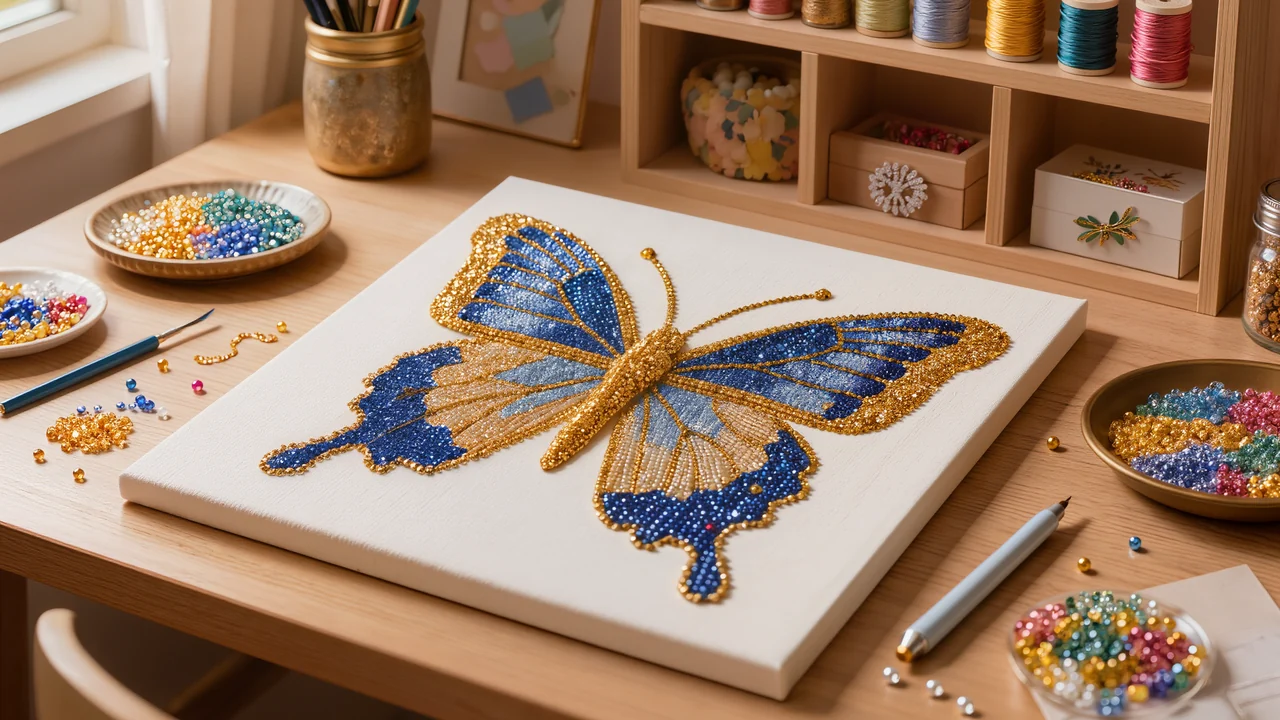
Butterfly Diamond Painting: Choose, Place, and Showcase Your Art
To choose a butterfly diamond painting with crisp wings, go for a canvas of at least 12 x 16 in (30 x 40 cm) if the design has fine details, then check the quality of the adhesive on the large light areas. Running a roller gently over the canvas after placing the drills helps them stick without creating bumps.
This introduction is for beginners and seasoned crafters alike who want to pick a gold, nocturnal or floral design, set up their workspace and place each drill with precision. You will find practical pointers for organising your tools, limiting bubbles, fixing uneven rows and protecting a round or square canvas before displaying it, whether it is headed for your home or a gift.
In short
- A successful butterfly starts with a canvas that is large enough: below 12 x 16 inches (30 x 40 cm), the wing veins turn into blobs.
- Round diamonds are forgiving for beginners, while square drills give a finer finish on detailed wings.
- Always work from the centre outwards, in strips of 1.2 to 1.6 inches (3 to 4 cm), so you do not stick the protective film onto diamonds you have already placed.
- A butterfly canvas pairs beautifully with a thin gold frame or hung near a window, away from direct sunlight.
Which butterfly diamond painting should you choose for your skill level?
For a first project, a butterfly diamond painting kit measuring 30 × 40 cm (12 × 16 in) is more than enough. That size gives you plenty of room to make out the antennae, outlines and wing veins. Go for round diamonds: they are more forgiving of small alignment slips and are easy to place with a tweezers or a pen. The colour-rich background of a design like this stays readable even if a few rhinestones are slightly off.
Square diamonds call for more precision, since their edges need to meet to create an even surface. In return, the finish looks sharper on fine wings and symmetrical patterns. If you are an experienced crafter, a canvas of 40 × 50 cm (16 × 20 in) or larger lets you capture the small colour areas and light effects better. Also check how easy the legend is to read: distinct symbols and crisp printing make sorting the bags much simpler.
A canvas stretched on a frame stays flat while you work and is easy to move from one table to another. You can start straight away, covering the unused sections with the film provided. A rolled canvas takes up less space and is often cheaper to ship, but let it flatten out under a few books for 24 to 48 hours, with a clean sheet between the canvas and the books. Avoid folding the corners, as a sharp crease can interfere with the adhesive.
For a first design, golden wings on a dark background offer clear contrast and hide small alignment differences better. The moth suits fans of moody atmospheres, with its brown, bluish or purple tones. A butterfly resting on a flower brings in more detailed areas and needs a little more care around the petals. To widen your choice, you can also look at the sparkling animal designs and pick up a few useful tools for applying the diamonds.
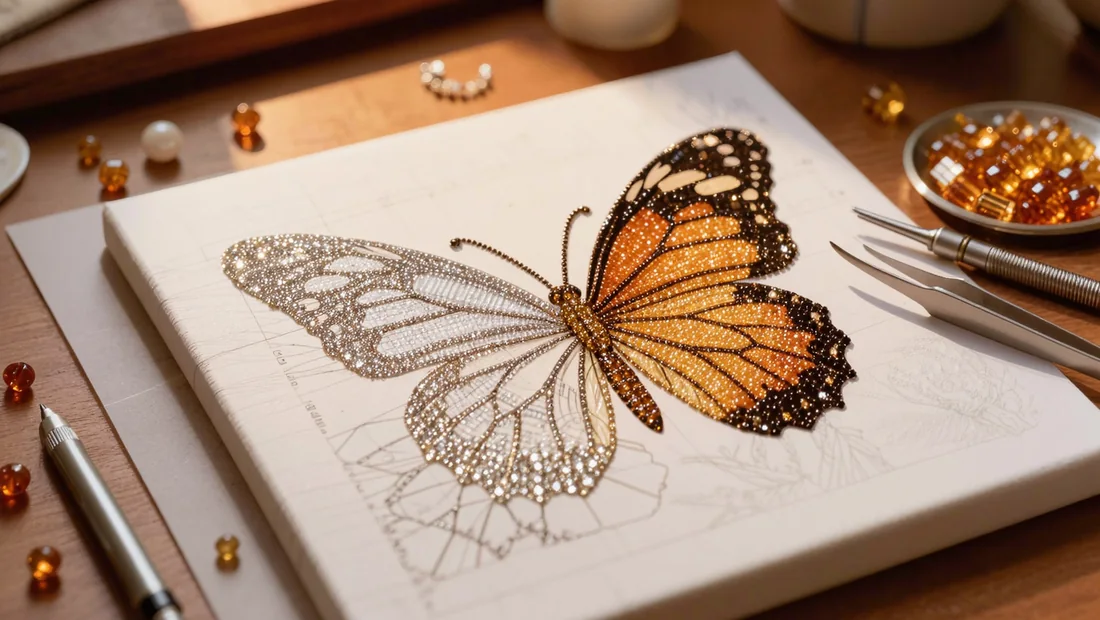
Gold butterfly, moth, butterfly on flowers: which design for which look?
The design you choose determines how the colours, reflections and wing details will interact with your room.
- Gold or amber wings catch the light and give the canvas a warm presence, especially in a hallway or above a desk. They work well with white, beige or light wood walls, as long as you keep the piece away from direct sunlight that could intensify the reflections.
- A moth on a midnight blue background creates a strong contrast between the clear diamonds of the wings and the deep tones of the background. This choice suits a bedroom, near a soft lamp or dark furniture, where the night shades stay visible without making the room feel heavy.
- A butterfly resting on a flower offers a softer composition, drawing the eye from the floral centre out to the wings. To create a harmonious look, pair it with a matching flower canvas, picking up a shared colour such as dusty pink, purple or sage green.
- In a very sunny room, avoid almost-white backgrounds: pale areas reflect light strongly and the butterfly's outlines become harder to read at certain times of day. A slightly grey, blue or beige base supports the details better, while a busy wall calls for a simpler design.
- Also look at the colours around your intended spot before choosing your butterfly diamond painting. Gold wings respond to wooden frames or copper accents, while a midnight blue design sits more easily with grey, off-white or a few silver elements.
Setting up your workspace before placing the first diamond
Clear the table
Work on a flat, clean surface that is wide enough for the canvas, the sorting tray and your dominant hand. Keep the protective film on the canvas and only peel back a small section covering your working area.
A smooth table covering prevents snags. Move drinks, crumbs and loose sleeves out of the way: exposed glue picks up dust easily.
Gather your tools
Get out the sorting tray, the diamond pen, a pair of tweezers and the wax used to fill the tip of the pen. Keeping a little spare wax on hand means you can top up quickly when the pen stops picking up well.
You will find these items, along with other essential diamond painting accessories, in your kit. Tweezers are handy for straightening a diamond or reaching a narrow square near a wing.
Sort the packets
Start with the symbol for the section you have opened and pour only the amount you need into the tray. Give it a gentle shake: the diamonds settle shiny side up, which makes them easier to pick up with the pen.
Seal each remaining packet and keep its label visible. Leave a small bowl beside you for spare diamonds instead of letting them sit in the tray between colours.
Angle your light
Place a desk lamp to the side or slightly behind your shoulder, aimed at the canvas. The light should illuminate the symbols without shining directly into your eyes.
On a very light area, tilt the canvas slightly to spot filled squares and empty spaces. Steady light stops you squinting and helps you check alignment.
Keep the canvas clean
Keep a clean microfibre cloth near your free hand. Use it to wipe a mark on the protected surface or around a sticky area, without rubbing the diamonds already placed.
Wash and dry your hands before you start. Dry fingers grip the pieces better and leave less dust on the glue.
Plan your session
Allow 45 minutes to 1 hour, then take a break. That stretch keeps you focused without straining your back or eyes, especially when the wing patterns include small squares.
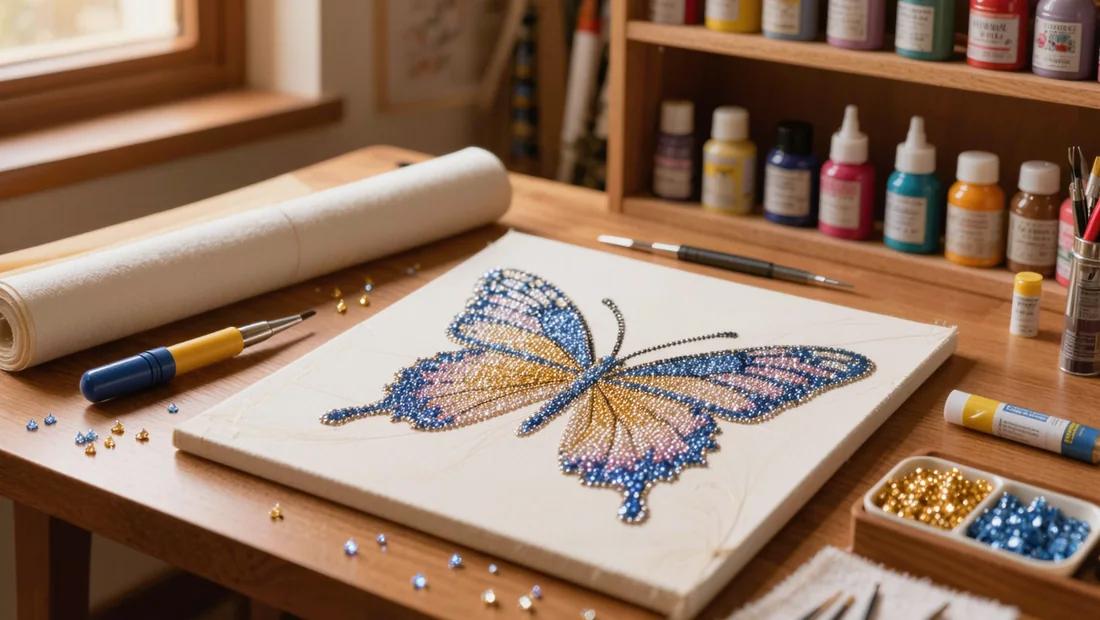
Placing diamonds on the wings: the method that prevents bubbles
Start at the centre of the butterfly
The butterfly's body, then the first veins of the wings: that's where you begin. By starting from the middle, you set your reference points on the area with the highest density of symbols, and the following rows line up naturally. If you start from an edge, you pull the canvas outwards and the pattern shifts by half a column by the time you reach the centre.
On a 30 x 40 cm (12 x 16 in) canvas, allow two to three sessions for an average butterfly. There's no rush: it's precisely the careful work that keeps the wings crisp.
Lift the film in strips of 3 to 4 cm (1.2 to 1.6 in)
The clear film protects the adhesive. If you peel it all off at the start, that's when dust and lint settle in. Instead, cut it into tabs: peel back 3 to 4 cm (1.2 to 1.6 in), fill that section, then move on to the next strip. The glue stays fresh right down to the last row.
A toothpick or fine tweezers slipped under the film helps you grip it without stretching it. If a strip folds back on itself, pull gently from the corner, never from the middle.
Double-check the wing symbols
Butterfly wings often contain very similar shades: two pinks, two blues, sometimes three gold tones in a row. On the canvas, the symbols look alike (a solid square, a half-filled square, a triangle). Get into the habit of re-reading the legend before every colour change, and place the diamonds in small groups of ten rather than a whole row at a time.
If in doubt, light the canvas at an angle: raking light brings out the difference between two neighbouring shades.
Seal flat at the end of each session
When you put your work away, run the roller or the back of your hand flat across the entire completed surface. This presses the diamonds into the glue and reduces lifting in light areas, where a missing diamond is immediately noticeable. Press without sliding, otherwise you'll shift the rows.
Finishing touches: how to display a butterfly diamond painting without it warping
Once your butterfly diamond painting is complete, first check every row under raking light. Gently nudge any slightly misaligned drills back into place with the flat end of a clean stylus, then remove small specks of dust with fine tweezers. Cover the surface with its protective film or a clean non-stick sheet. Next, lay the canvas on a flat table, add a light board or rigid cardboard, then a few books distributed evenly across the surface. Leave it weighted for 24 hours. This step helps the canvas regain a good level of flatness before framing.
For framing, choose a slim gold frame if the wings have warm tones, or white to complement a light floral design. Measure the canvas after pressing, as the edges may have shifted slightly during application. A shadow box or a frame with a spacer lets air circulate and keeps the glass at a distance. The glass should never press directly on the drills: pressure can shift the resins and create dull patches. Mounting on a rigid backing, with a few pieces of acid-free tape at the back, holds everything without pulling on the canvas. You will also find essential diamond painting accessories useful for final touch-ups.
Place your decoration away from direct sunlight. Prolonged exposure can yellow the resins, especially in white, cream or pastel areas. A wall near an east-facing window often offers soft morning light, pleasant for bringing out the facets without overheating the canvas. However, avoid letting rays hit the wings directly for several hours. A monthly dusting with a very soft feather duster is enough; do not use a damp cloth or household cleaner on the drills.
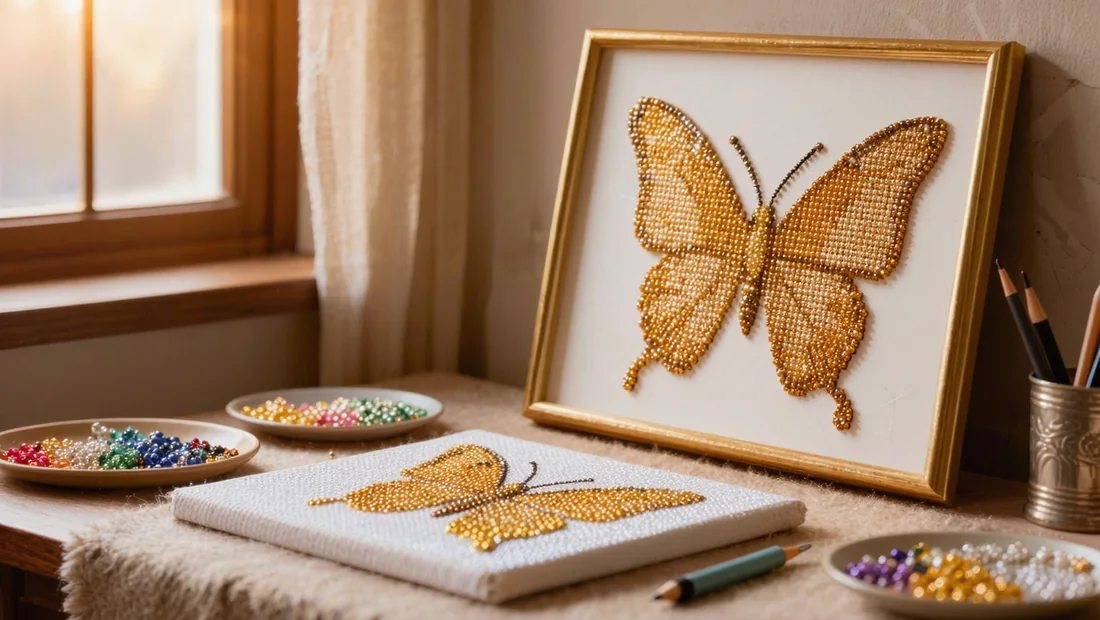
Butterfly diamond painting gift ideas and pairings
Whether you are giving a gift or building a gallery wall, pair a butterfly diamond painting with a second design in a matching colour palette and similar frame sizes.
- A butterfly and floral duo creates a soft composition above a console table or in a bedroom: choose a floral canvas with a few shades that echo the wings, then leave about 2 to 4 inches (5 to 10 cm) between the two frames so each design stays easy to read. You will find suitable designs in the Flower Diamond Painting Kits category.
- For a nature-inspired wall, place the butterfly next to a canvas showing birds perched or in flight. A light background around both subjects adds breathing room, while matching frames instantly create a cohesive look.
- A butterfly kit paired with an accessory set makes a practical gift for someone just starting out: include a compartment storage box, several trays, precision tweezers and a few squares of wax. Slip everything into a rigid pouch to protect the canvas during transport.
- For a more personal present, have a butterfly drawn by a loved one, a child or a grandchild reproduced. A well-lit photo of the drawing, taken flat and without shadows, will give a cleaner base for converting it into a canvas. The Custom Diamond Painting Kits category lets you start from that creation and keep its main colours.
- A duo can also bring two people together around the same hobby: give a small butterfly canvas to one and a matching nature design to the other, then plan a shared crafting session with separate boxes to avoid mixing up the diamond codes.
Our picks
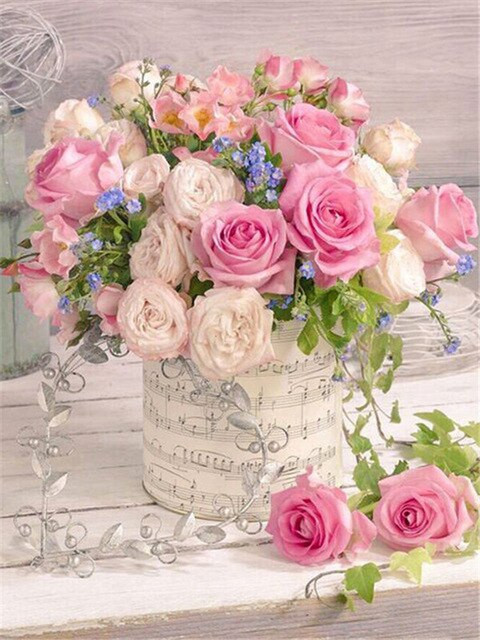
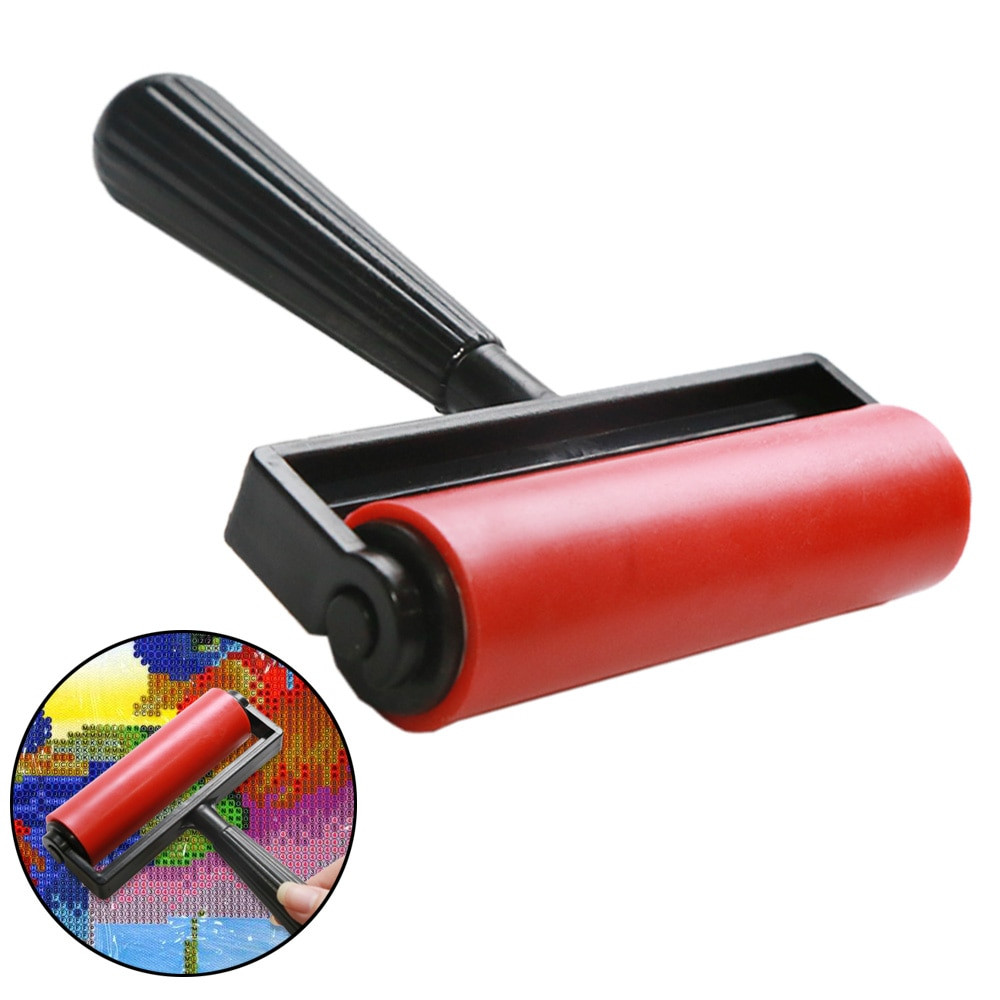
Always start at the centre of the canvas and work outwards in bands of about one to one and a half inches (three to four centimetres): that way you avoid pressing the protective film back onto diamonds you have already placed, and the wings keep their crisp edges. Take a moment to check that the rows line up every four inches (ten centimetres) or so, as that is where any drift shows up soonest. If you are after a design where the veining stays clearly defined, take a look at our selection of Animal Diamond Painting Kits & Art kits, and there is a size to suit every project.
Your butterfly is waiting for your diamonds
Browse our stretched butterfly canvases, choose your size, and get your kit with free tracked delivery. Money-back guarantee.
View Animal Diamond Painting Kits & ArtFrequently asked questions
What canvas size should I choose for a crisp butterfly?
Choose a canvas of at least 12 x 16 inches (30 x 40 cm) to keep wing veins clearly defined. Anything smaller and fine details and colour transitions can turn muddy, especially on an intricate butterfly. For an image full of scales, antennae or gradients, go for a larger format so you can place every diamond with more precision.
Round or square diamonds for a butterfly diamond painting?
Round diamonds are ideal if you are just starting out: they are easy to place and forgiving of slight misalignments. Squares create a smoother, more uniform surface, which looks particularly elegant on slim wings and geometric patterns. They do call for precise alignment though, so use a straightening tool or the straight edge of your pen to keep the rows in line.
How long does it take to finish a butterfly canvas?
Plan for several sessions of 45 minutes to an hour, depending on the size of the canvas, the number of colours and your own pace. Work in bands rather than covering the whole surface at random. A band a couple of inches wide stays easy to manage, and your rows will keep a more consistent look around the wings.
How do I stop the diamonds from lifting on pale wings?
Apply the diamonds in bands of 1.5 to 2 inches (3 to 4 cm), then peel the protective film back over the area as you go. Try not to touch the adhesive with your fingers, even if a section feels less tacky. At the end of each session, run a small roller or your flat hand over the canvas with gentle, even pressure.
Can I customise a diamond painting with my own butterfly?
Yes, the Custom Diamond Painting category lets you have a drawing or photo of a butterfly reproduced on a stretched canvas. Pick a sharp, well-lit image with clear outlines and little clutter behind the subject. Before ordering, check the format on offer: a larger canvas will preserve the detail in the wings much better.
Related posts
 Halloween Diamond Painting Kits: Spooky Ideas for Your Home
 Cat Diamond Painting Kit: Bring Your Feline to Life in Sparkling Detail
 Peacock Diamond Painting: How to Choose and Complete Your Canvas
 Star Wars Diamond Painting Kits: Canvases and Tips
 Pokemon Diamond Painting: How to Choose, Start and Finish Strong